
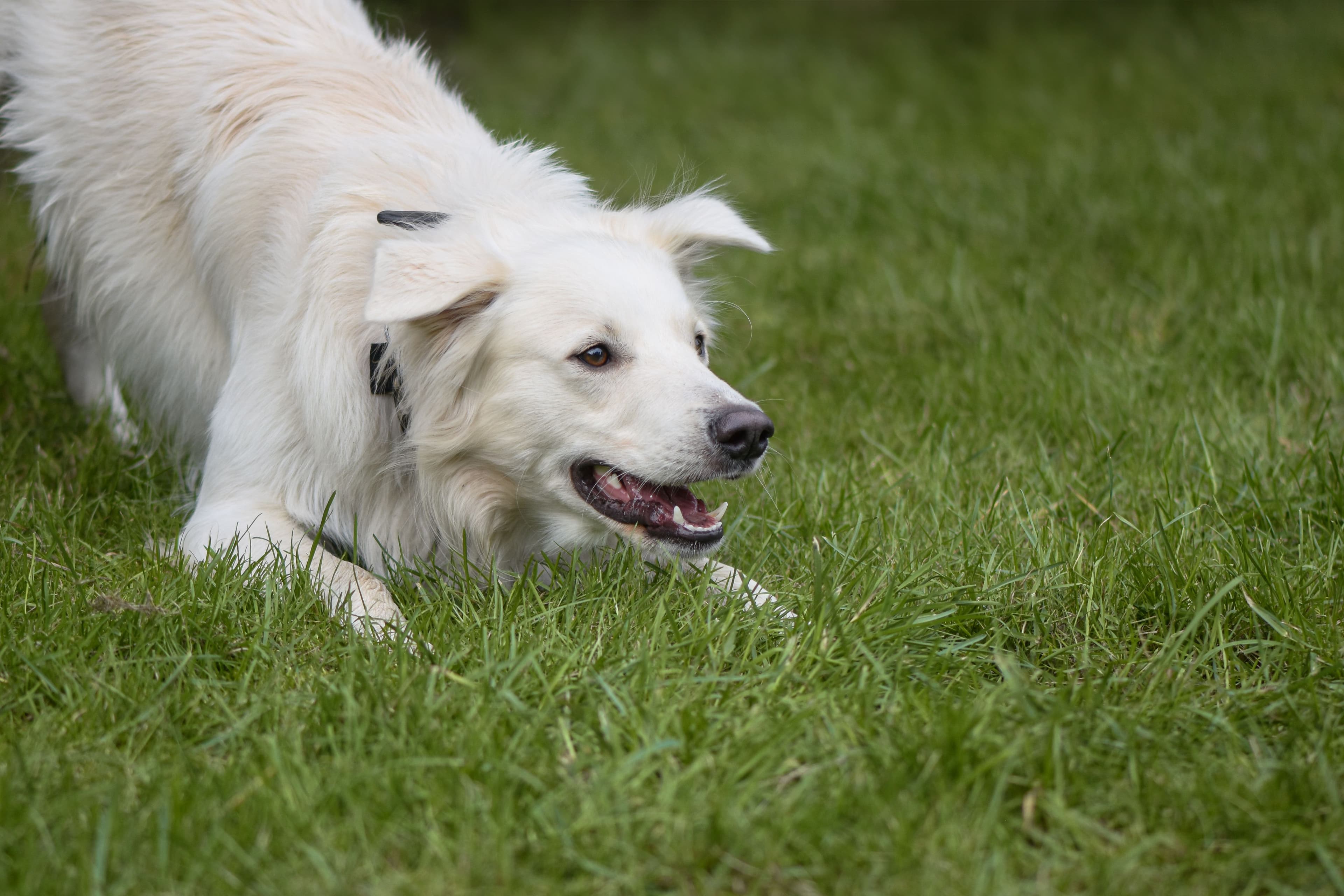
Barking is not one problem with one solution. Dogs bark to alert, create distance, seek social contact, release excitement, respond to frustration, and because the behavior has worked before.
Find the pattern
Keep a brief record for several days. Note the time, location, trigger, duration, body language, and what makes barking stop. Patterns often become clearer when we stop relying on memory.
Meet the need, then teach an alternative
Management prevents repeated rehearsal. Frosted window film may help with visual triggers, predictable enrichment may help with under-stimulation, and greater distance may help with fear. Then teach a realistic alternative such as moving to a mat, finding scattered food, or checking in with you.
- Reduce access to predictable triggers
- Reinforce quiet observation before barking begins
- Provide appropriate sniffing, chewing, play, and rest
- Avoid shouting, which can add intensity
- Build the alternative behavior in easy situations first
Key takeawayDo not ask only how to stop the sound; ask what the barking achieves for the dog.
Sources and further reading
This guide follows humane, reward-based principles and should not replace veterinary advice.