
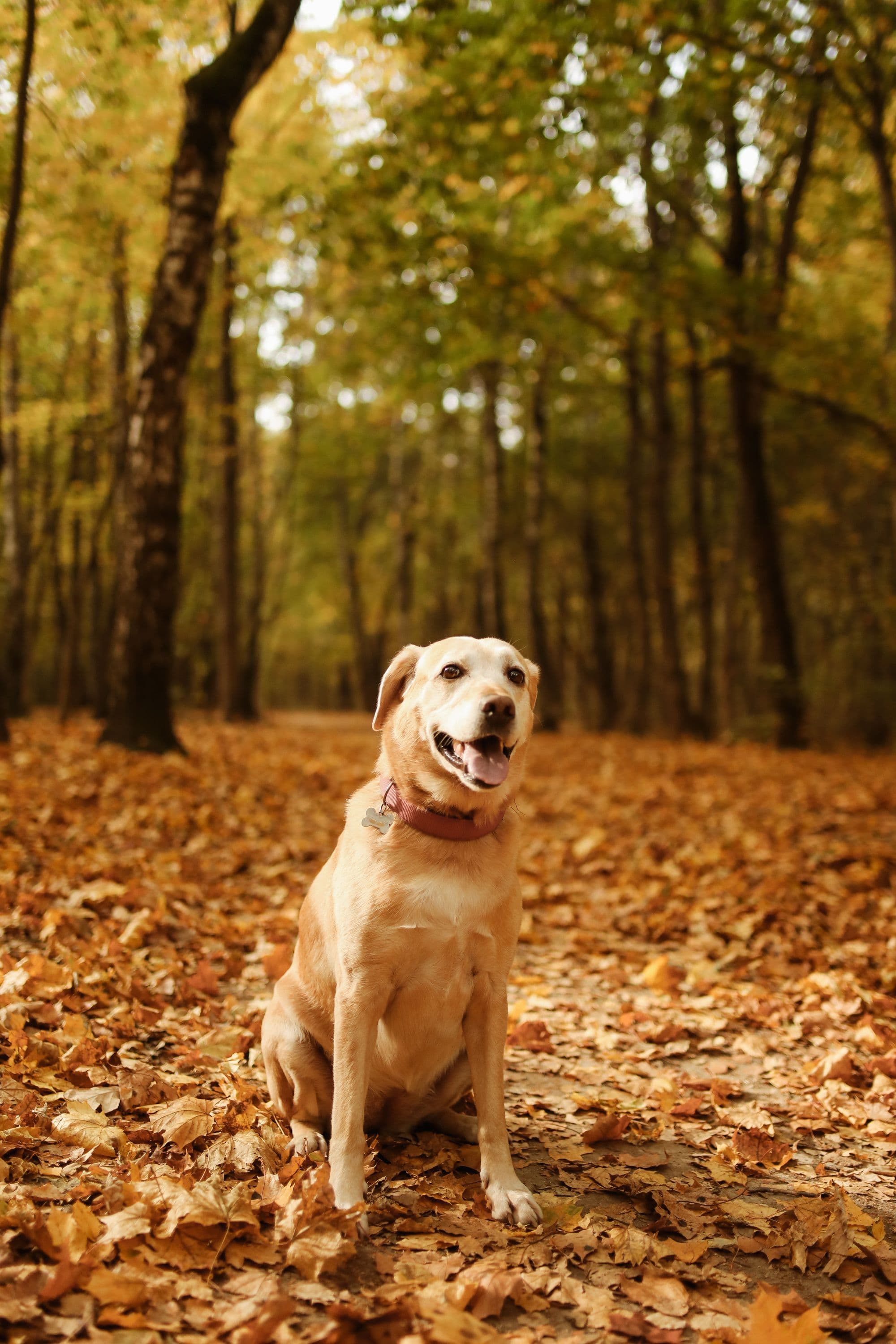
“Stubborn” sounds like an explanation, but it does not tell us what to change. A dog may not respond because the cue is unclear, the environment is too difficult, the reward is not valuable in that moment, or the dog is worried, tired, or uncomfortable.
Five questions to ask first
Replace the label with observations. This turns frustration into useful information.
- Has the dog learned this cue in this environment?
- Can the dog perceive the cue clearly?
- Is something else more important or frightening right now?
- Has the response been reinforced consistently?
- Could pain, fatigue, or stress be affecting performance?
Dogs do not generalize automatically
A sit learned in the kitchen is not automatically fluent beside a busy road. Change one variable at a time—distance, duration, distraction, or location—and make the new version easy enough to succeed.
Clarity changes relationships
When a response fails, reduce difficulty, reinforce a smaller success, and review what the dog has actually learned. This approach protects trust while producing more reliable behavior.
Key takeawayA missed response is feedback about learning conditions, not evidence of a flawed character.
Sources and further reading
This guide follows humane, reward-based principles and should not replace veterinary advice.